
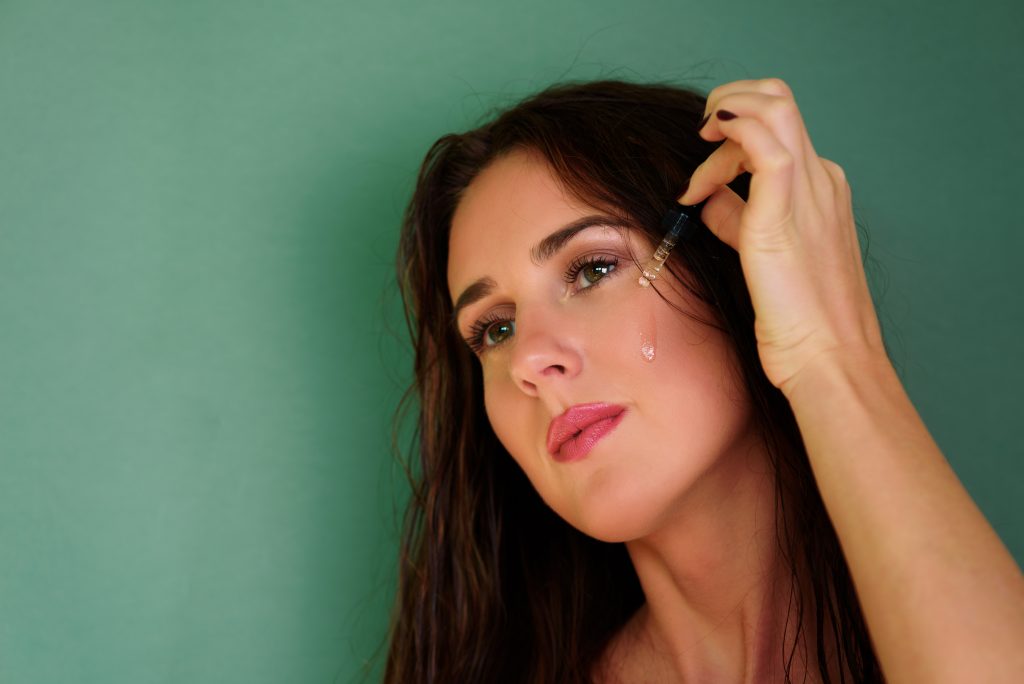
If you spent any time on skincare social media in the last year, you’ve probably seen the word “ exosomes” attached to some fairly bold promises – regeneration, cellular renewal, the works. At E&G Skin Clinic in Morningside, patients ask us about them most weeks now, usually after a mix of curiosity and a healthy dose of “is actually real, or is it just the new collagen?”
Its fair question so lets talk through what exosomes are, what the research actually supports, and where they fit- realistically- into a treatment plan.
What are exosomes, exactly?
Exosomes are tiny particles released by cells that act a bit like couriers. They carry proteins, growth factors and genetic material between cells, essentially passing along instructions that influence how tissue repairs and regenerates itself. In skin, that communication process is thought to play a role in collagen production, wound healing and inflammation control.
They are not a new discovery in medicine- exosomes have been studied for years in areas like wound care and regenerative medicine. What’s new is their move into aesthetic dermatology, usually formulated into serums that are applied after procedures such as microneedling or laser treatments, when the skin barrier is temporarily more receptive.
What does the evidence actually say?
This is the part we think is worth being honest about, because the marketing has moved a fair bit faster than the research.
A systematic review of exosome-based skin therapies looked at data across nearly twenty human studies and data across and found consistent associations with improved hydration, elasticity, wrinkle depth and pigmentation in the short term. That’s genuinely encouraging. But the same review was upfront about its limitations: most of the studies were not randomised controlled trials, methods varied a lot between them, and follow-up periods were generally short. In plain terms: promising early signal, not yet proven long term.
It’s also worth knowing that the strongest results so far come from clinic-administered exosomes paired with micro needling or similar procedures rather than standalone serums used at home. If you are going to try exosomes, do it as part of professional treatments where the current evidence actually points.
And regulation is still catching up. No exosome product currently holds full regulatory approval as a medicine in the UK or US, which is a big part of why choosing a clinic that vets its products and protocols carefully matters more than usual with this particular treatment.
So- are they worth it?
Here is our honest take: exosome treatments are a genuinely interesting addition to regenerative skincare, particularly for patients recovering from a procedure and wanting to support the healing process, or those looking for a boost in hydration, tone and texture. What they are not, at least based on tone and texture. What they are not, at least based on what the evidence currently shows, is a guaranteed dramatic transformation or a replacement for well-established treatments.
If firmness and long-term collagen support are your main goal, it’s worth having a proper conversation about how exosome might sit alongside- not instead of- treatments with a longer track record.
Book consultation
Every skin is different, and the right treatment plan depends on what’s actually going on with yours- not just what’s trending. If you are curious whether exosome treatments make sense for your skin, our team at E&G Skin Clinic in Morningside can talk you through it properly, with evidence and all.