
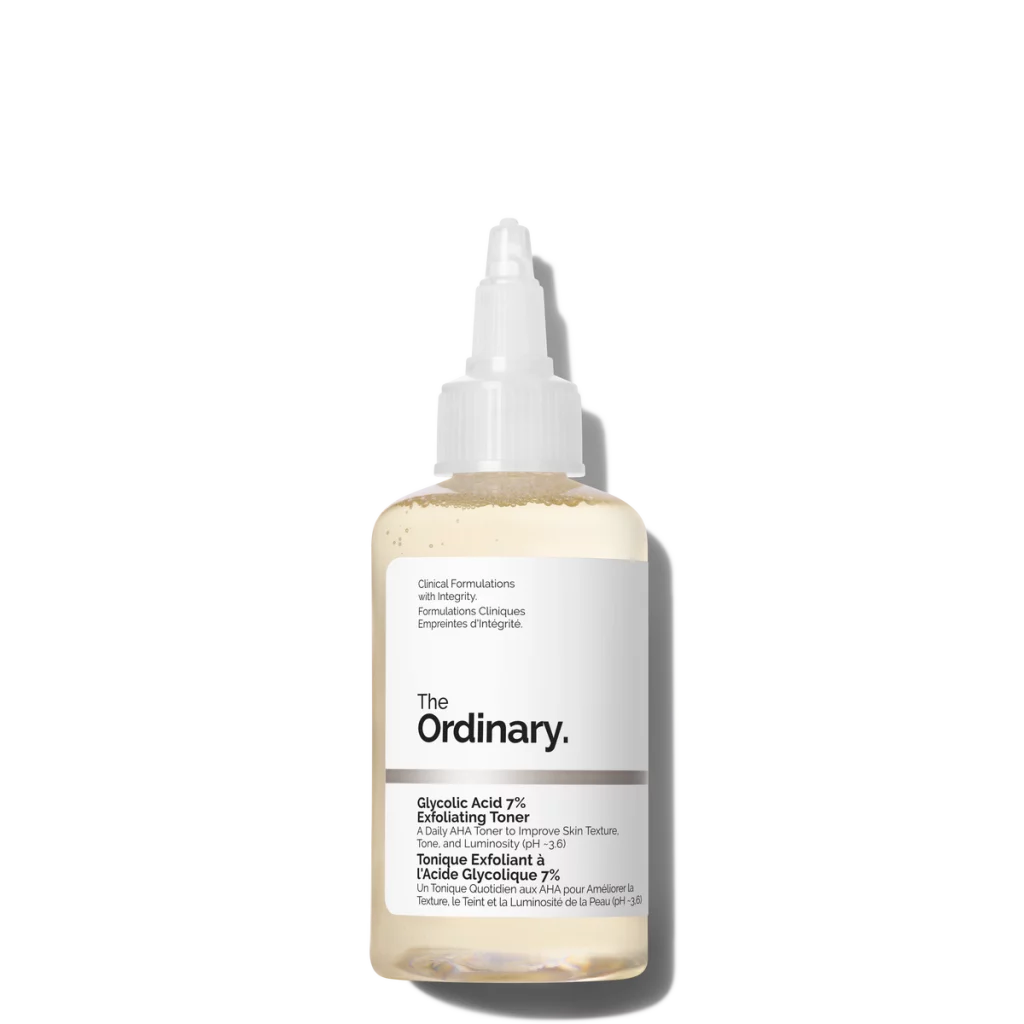
Glycolic Acid: Benefits, How to Use It & When to Avoid It | EG Skin Clinic
EG Skin Clinic Skincare Journal
Skincare Ingredients
It’s probably the most talked-about acid in skincare — and for good reason. But glycolic acid isn’t for everyone, every day, or every skin concern. Here’s an honest look at what it can and can’t do.
By EG Skin Clinic Team Skincare Education 8 min read
If you’ve spent any time reading skincare labels, you’ve almost certainly come across glycolic acid. It gets name-dropped everywhere — in toners, serums, at-home peel pads, and professional treatments. And while there’s a lot of well-deserved hype around it, there’s also a fair amount of confusion about what it actually does, how to use it safely, and when it’s not the right choice at all.
So let’s break it down properly.
What Is Glycolic Acid?
Glycolic acid is an alpha-hydroxy acid (AHA) — a category of water-soluble acids that work on the surface of the skin. What makes glycolic acid stand out from other AHAs like lactic or mandelic acid is its molecular size: it’s the smallest of the group, which means it can penetrate more deeply and work more efficiently.
It’s derived from sugarcane, which is why you’ll sometimes see it marketed as a “natural” ingredient — though by the time it’s formulated into a skincare product, it’s been synthesised in a lab. Either way, your skin doesn’t particularly care about the source. What matters is the concentration, the pH, and how you use it.
The Science Bit
Glycolic acid works by breaking down the bonds that hold dead skin cells together on the outermost layer of skin. Rather than physically scrubbing them away, it dissolves the “glue,” — which is a much gentler process for the skin barrier, and produces more even results.
The Real Benefits of Glycolic Acid
When used consistently and correctly, glycolic acid delivers some of the most noticeable improvements of any skincare ingredient available without a prescription. Here’s what it can genuinely do:
1. Exfoliates Without the Damage of Scrubbing
Physical exfoliants — gritty scrubs, cleansing brushes — can create micro-tears in the skin, especially if used too vigorously. Glycolic acid removes the same dead skin cell buildup without any friction. The result is smoother skin texture with far less risk of irritation from the exfoliation process itself. That “glass skin” glow people talk about after a chemical peel? This is largely what’s responsible for it.
2. Stimulates Collagen Production
This is one of glycolic acid’s lesser-known but more significant benefits. Research has shown it can encourage the skin’s fibroblasts — the cells responsible for producing collagen — to work more actively. Since collagen production naturally slows from our mid-twenties onwards, anything that gives it a nudge is genuinely useful for long-term skin health. Fine lines gradually soften with consistent use, and skin regains some of the firmness lost to ageing.
3. Fades Hyperpigmentation and Dark Spots
Glycolic acid accelerates cell turnover, which means pigmented skin cells are shed faster than they would be otherwise. For post-inflammatory hyperpigmentation (the dark marks left behind after spots), sun damage, and melasma, this can make a real difference over time. It works particularly well on surface-level pigmentation — though deeper dermal pigmentation tends to need more than topical exfoliation alone.
4. Helps Clear Acne and Prevent Breakouts
Blocked pores are one of the primary triggers for acne. Glycolic acid keeps the pore lining clearer by removing dead skin cells before they have a chance to cause congestion. Studies have also found that it has mild antibacterial properties, which adds another layer of benefit for acne-prone skin. It won’t replace a dedicated acne treatment for more severe cases, but as a maintenance tool, it’s genuinely useful.
5. Improves the Effectiveness of the Rest of Your Skincare
When there’s a layer of dead skin cells sitting on top, your serums and moisturisers have to work harder to get where they need to go. Regular use of glycolic acid means that your other products absorb more effectively. Think of it as clearing the path.
6. Addresses Sun Damage
Years of UV exposure can leave skin looking dull, uneven, and prematurely aged. Glycolic acid helps reverse some of that visible damage by speeding up the turnover of sun-damaged cells and supporting the skin’s repair processes. It won’t undo serious photodamage overnight, but as part of a longer-term routine, the improvement can be significant.
“It’s not about stripping the skin — it’s about nudging it to do what it was always designed to do, just a little faster.”
How to Use Glycolic Acid: Getting It Right
This is where a lot of people go wrong — either using too much too soon, or picking the wrong product for their skin and goals. Here’s what actually works.
Start with a lower concentration
If you’ve never used glycolic acid before, start with something in the 5–10% range. Many toners and cleansers contain it at 2–5%, which is a gentle and effective way to introduce your skin to the ingredient without overwhelming it. Give your skin at least four weeks at a lower concentration before thinking about going higher.
Use it at night
Glycolic acid makes your skin more sensitive to UV radiation, which is one of its trade-offs. Using it in your evening routine significantly reduces this risk. Then in the morning, SPF 30 or higher is non-negotiable. This isn’t optional skincare advice; it’s a genuine precaution. Skipping sun protection while using glycolic acid regularly can actually worsen the very pigmentation you’re trying to treat.
Frequency matters more than concentration
Particularly when starting out, two to three times a week is more than enough. Your skin needs time to adjust, and the barrier needs recovery time between applications. Over-exfoliating is a real and common problem — it can leave skin red, raw, and paradoxically more prone to breakouts as the barrier is disrupted.
Always follow with moisture
Glycolic acid can be drying, especially at higher concentrations. Applying a hydrating serum (hyaluronic acid works well here) and a moisturiser afterwards helps to restore what the exfoliation process strips away. Soothing ingredients like niacinamide, aloe, and centella asiatica are also excellent companions to glycolic acid products.
Patch test before you commit
Even if your skin isn’t particularly sensitive, a patch test on the inside of your wrist or behind your ear for 48 hours before applying anything to your face is always worth doing. Reactions can happen even with well-formulated products.
Understanding Concentrations at a Glance
Concentration
Best For
Frequency
1–5%
Beginners, sensitive skin, daily maintenance
Daily or every other day
5–10%
General exfoliation, mild pigmentation, dullness
2–3 times per week
10–20%
Deeper exfoliation, noticeable pigmentation, acne scars
Once or twice a week, maximum
20%+
Professional peels only — not for home use
In-clinic only, 2–3 week intervals
When You Shouldn’t Use Glycolic Acid
This is probably the most important section of this article, and it doesn’t get nearly enough attention in most skincare content. Glycolic acid is a powerful ingredient, and there are situations where using it will do more harm than good.
If your skin barrier is already compromised
Signs of a damaged skin barrier include persistent redness, a tight or “stinging” feeling after cleansing, flakiness, and a feeling that your skin is just… angry. Adding an acid to the mix when this is happening is a bad idea. The barrier needs repair first — ceramide-rich moisturisers, gentle cleansers, and time — before you reintroduce anything exfoliating.
During active eczema or rosacea flare-ups
Eczema and rosacea are inflammatory conditions, and glycolic acid can significantly worsen inflammation when the skin is already reacting. Some people with rosacea tolerate very low concentrations of glycolic acid between flare-ups, but it should always be introduced slowly and ideally with guidance from a professional. During a flare? Skip it entirely.
On broken, sunburned or recently treated skin
This might seem obvious, but it’s worth saying clearly: glycolic acid should never be applied to broken skin, open wounds, active cold sores, or skin that’s been sunburned. Similarly, if you’ve recently had a facial treatment — laser, microneedling, a professional peel — wait until your skin has fully recovered before resuming any acid-based products. Your practitioner will give you a specific timeframe, and it’s important to follow it.
If you’re pregnant or breastfeeding
Lower concentrations in rinse-off formulations are generally considered lower risk, but higher-concentration leave-on products and professional glycolic peels are not recommended during pregnancy or breastfeeding. The guidance in this area isn’t always clear-cut, so the safest approach is to check with your midwife or GP before using any active skincare during this time.
If you’re taking photosensitising medication
Certain medications — including some antibiotics, diuretics, and acne treatments — make skin significantly more sensitive to UV radiation. Combining these with glycolic acid (which already increases photosensitivity) can put you at real risk of burning or pigmentation. If you’re on any medication and unsure, speak to your GP or pharmacist before adding glycolic acid to your routine.
If you’re already using retinoids
Using glycolic acid alongside retinol or prescription retinoids on the same evening is one of the most common mistakes we see. Both are active, both are exfoliating in their own way, and layering them increases the chance of significant irritation. If you use a retinoid regularly, you likely don’t need glycolic acid as well — and if you want to use both, alternating nights is a far safer approach than combining them.
If you have very dark skin tones and are using high concentrations
Glycolic acid can be effective across all skin tones, but people with deeper complexions need to be more cautious with higher concentrations. Aggressive exfoliation can trigger post-inflammatory hyperpigmentation — essentially, the dark marks it’s meant to treat. Starting at a lower concentration, less frequently, and progressing gradually is the right approach. A professional assessment beforehand is particularly worthwhile here.
Important Note
Professional-grade glycolic acid peels (above 20% concentration) should only ever be performed by a trained and qualified practitioner. At this strength, incorrect application can cause serious skin reactions, including chemical burns and lasting pigmentation changes.
If you’re considering a professional peel, always choose a reputable clinic and ensure your practitioner carries out a thorough consultation beforehand — including a review of your skin history, current products, and any medications.
Ingredients That Don’t Play Well with Glycolic Acid
Skincare ingredient “cocktailing” has become hugely popular, but not every combination is a good one. These are the pairings most likely to cause problems:
- Retinol / Retinoids: Using both on the same night increases irritation risk considerably. Alternate evenings if you want to use both.
- Vitamin C (L-ascorbic acid): At low pH levels, mixing these can destabilise both ingredients. Better to use one in the morning and one at night.
- Benzoyl peroxide: A combination that often leads to redness, dryness, and irritation — particularly for those new to acids.
- Other AHAs or BHAs: More isn’t better. Using glycolic acid alongside salicylic acid on the same night is over-exfoliating. Rotate instead.
- Niacinamide: At very high concentrations of both, there can be mild flushing, though this is less of a concern than the others. At typical skincare formulation levels, most people tolerate the combination fine.
Signs You’re Overdoing It
Your skin will tell you if glycolic acid isn’t working for you — you just need to know what to listen for. These are the signs that you need to pull back:
- Skin that feels tight, raw, or “sunburned” after application
- More breakouts than usual (often a sign of barrier disruption)
- Persistent redness that doesn’t settle within an hour of application
- Increased sensitivity to your other products
- Skin that looks dull or grey rather than bright — a sign it’s been stripped rather than exfoliated
If any of these apply, stop using glycolic acid, switch to a barrier-focused routine for at least two to four weeks, and reintroduce it at a lower frequency and concentration when things have settled.
The Bottom Line
Glycolic acid genuinely earns its reputation. When you use it correctly, consistently, and at the right concentration for your skin, it’s one of the most effective ingredients available for improving texture, fading pigmentation, managing acne, and supporting long-term skin health.
But it rewards patience and respect. Going too hard, too fast, or using it at the wrong time can undermine both your skin and your results. And for certain skin conditions, medications, and life stages, it’s simply not appropriate at all — no matter how many good reviews you’ve read.
If you’re unsure whether glycolic acid is right for you, or you want guidance on the best way to introduce it into your routine, a skin consultation is always worthwhile. There’s no universal answer — the best approach depends on your skin type, your concerns, and what else is already in your routine.
Not Sure Where to Start?
Our team at EG Skin Clinic can assess your skin and recommend the right approach for your individual needs — whether that’s a professional glycolic peel or building a home routine that actually works. Book a Consultation
© 2025 EG Skin Clinic · www.egskinclinic.co.uk · This article is for informational purposes only and does not constitute medical advice. Always consult a qualified skincare professional before beginning new treatments.